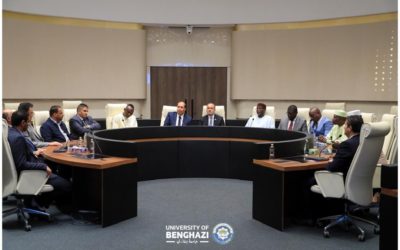
University of Benghazi and Global Institute for Arab Renewal Sign Cooperation Agreement
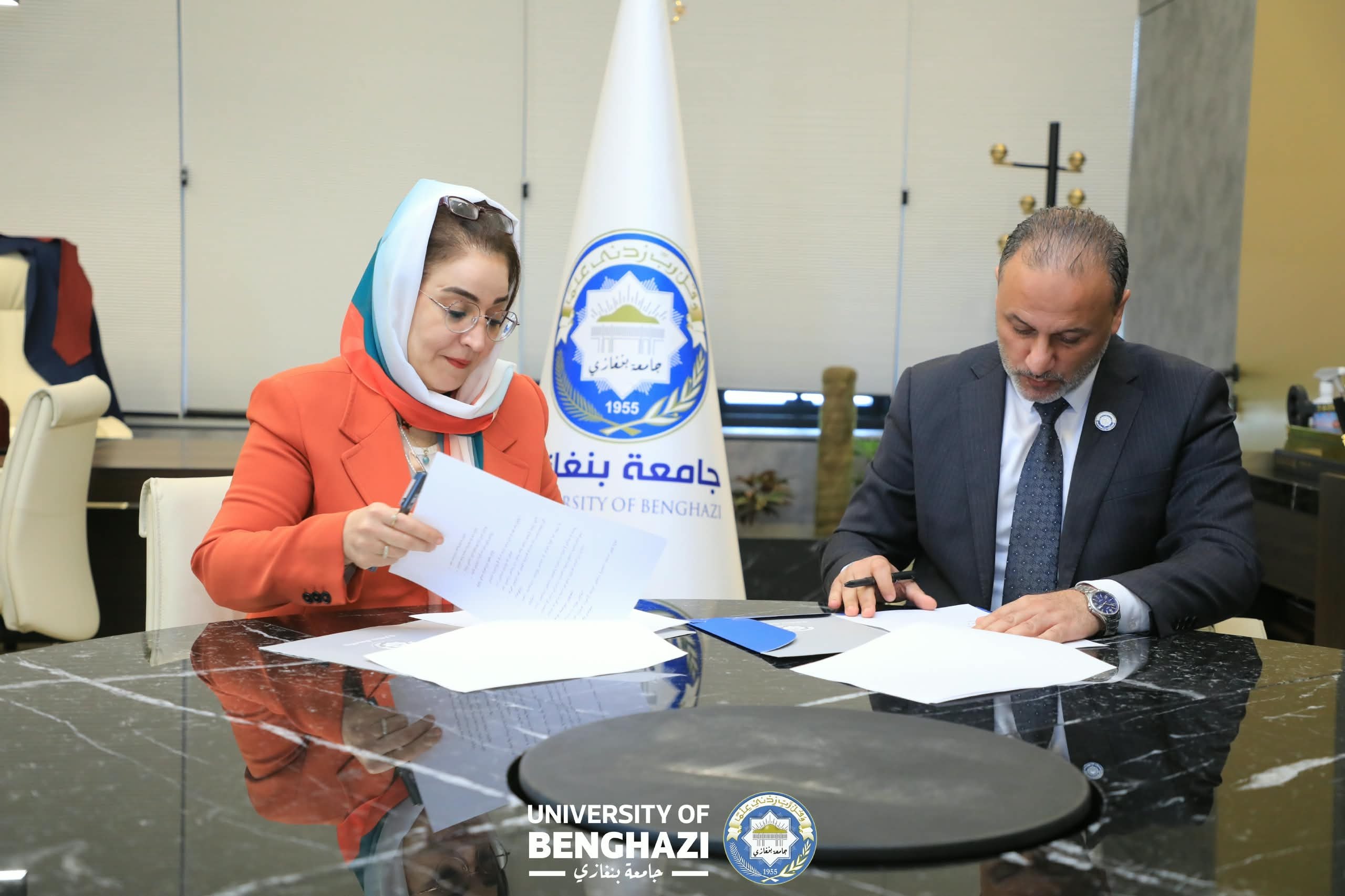
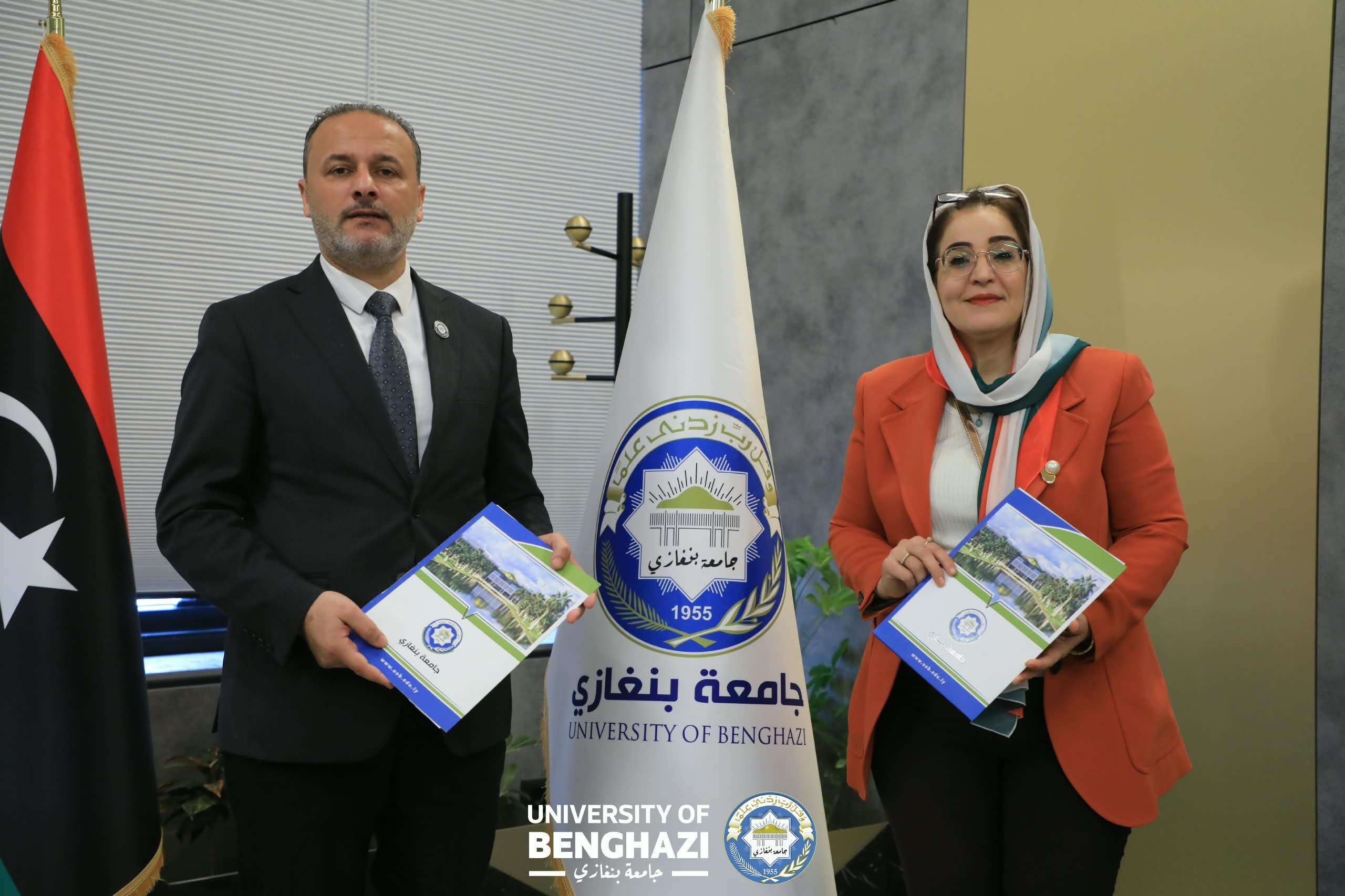
The University of Benghazi has signed a cooperation agreement with the Global Institute for Arab Renewal, headquartered in Madrid, Spain, to expand scientific and intellectual cooperation, joint research, knowledge production, and the exchange of academic expertise.
Expanding Scientific and Intellectual Cooperation
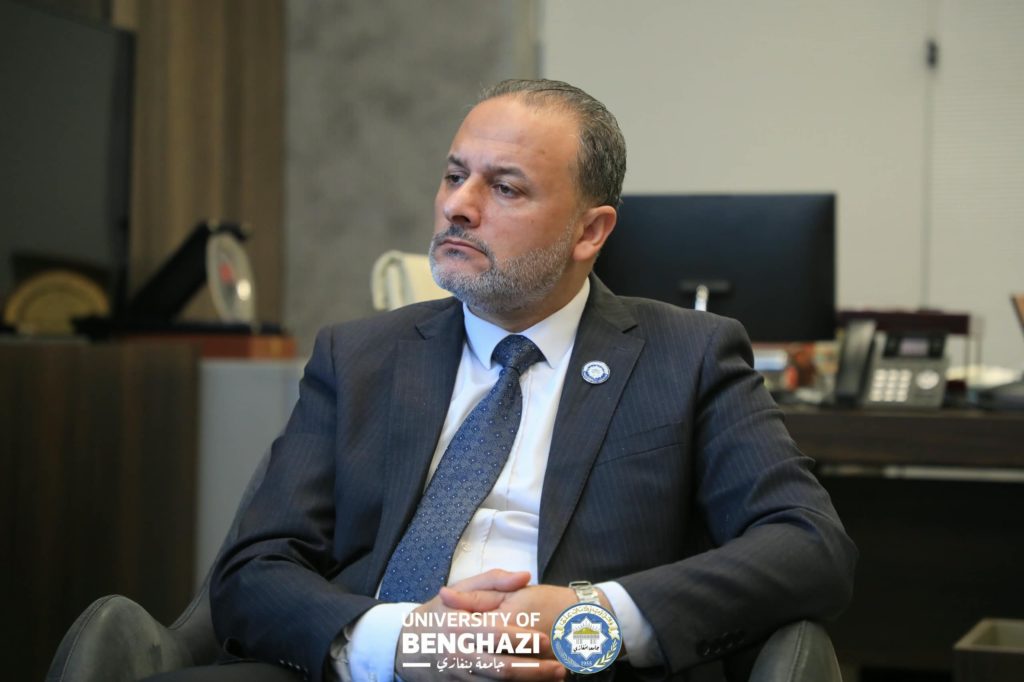
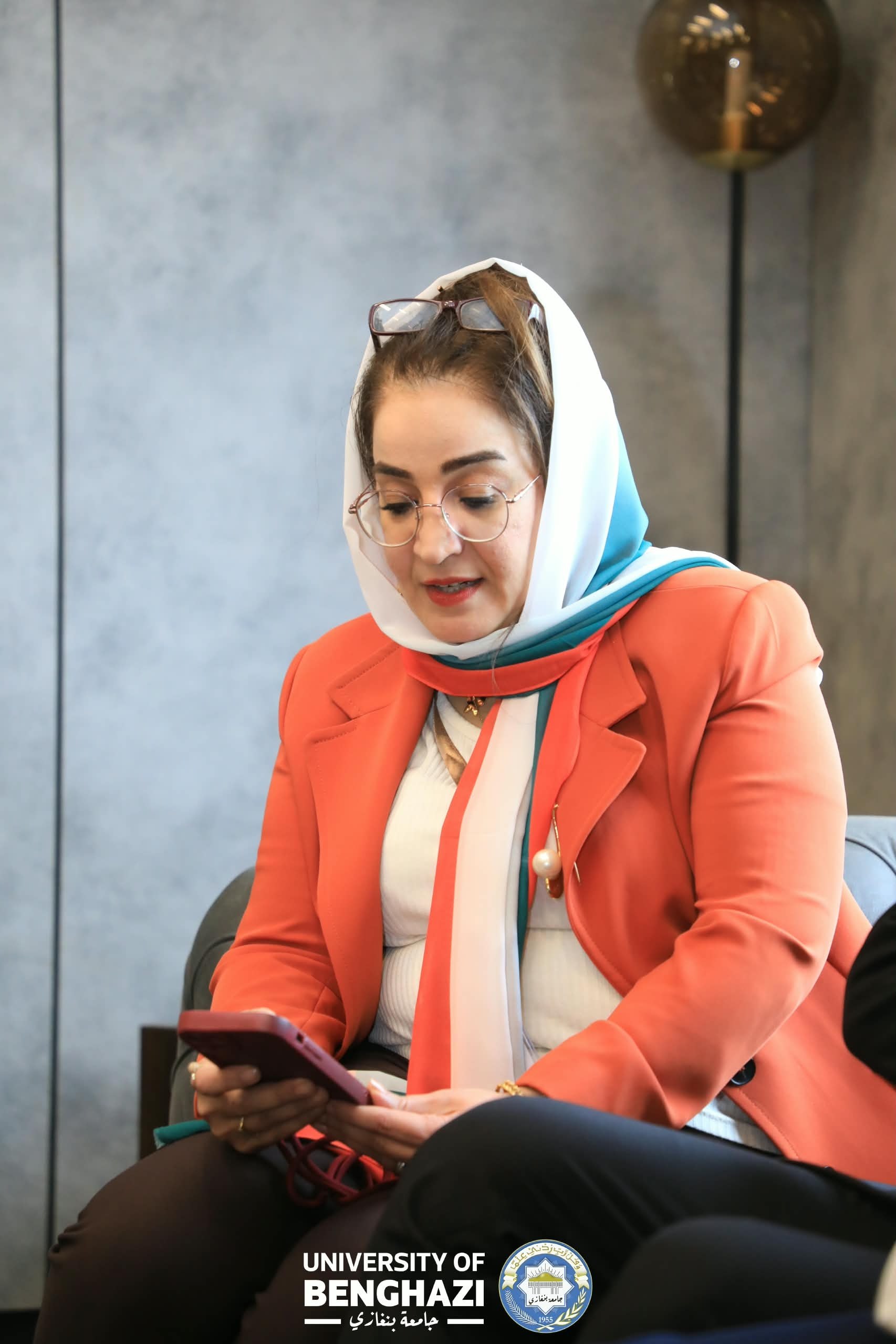
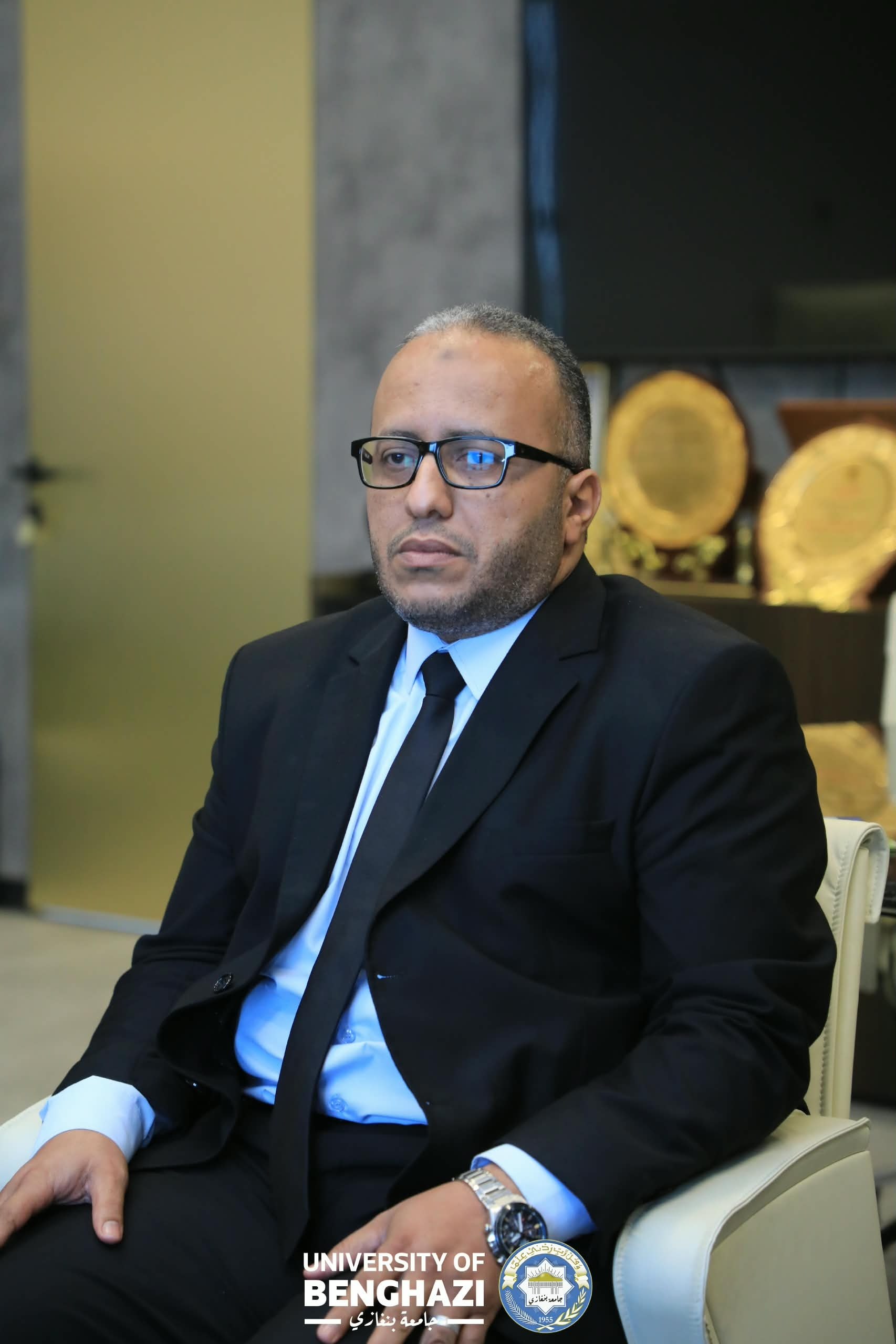
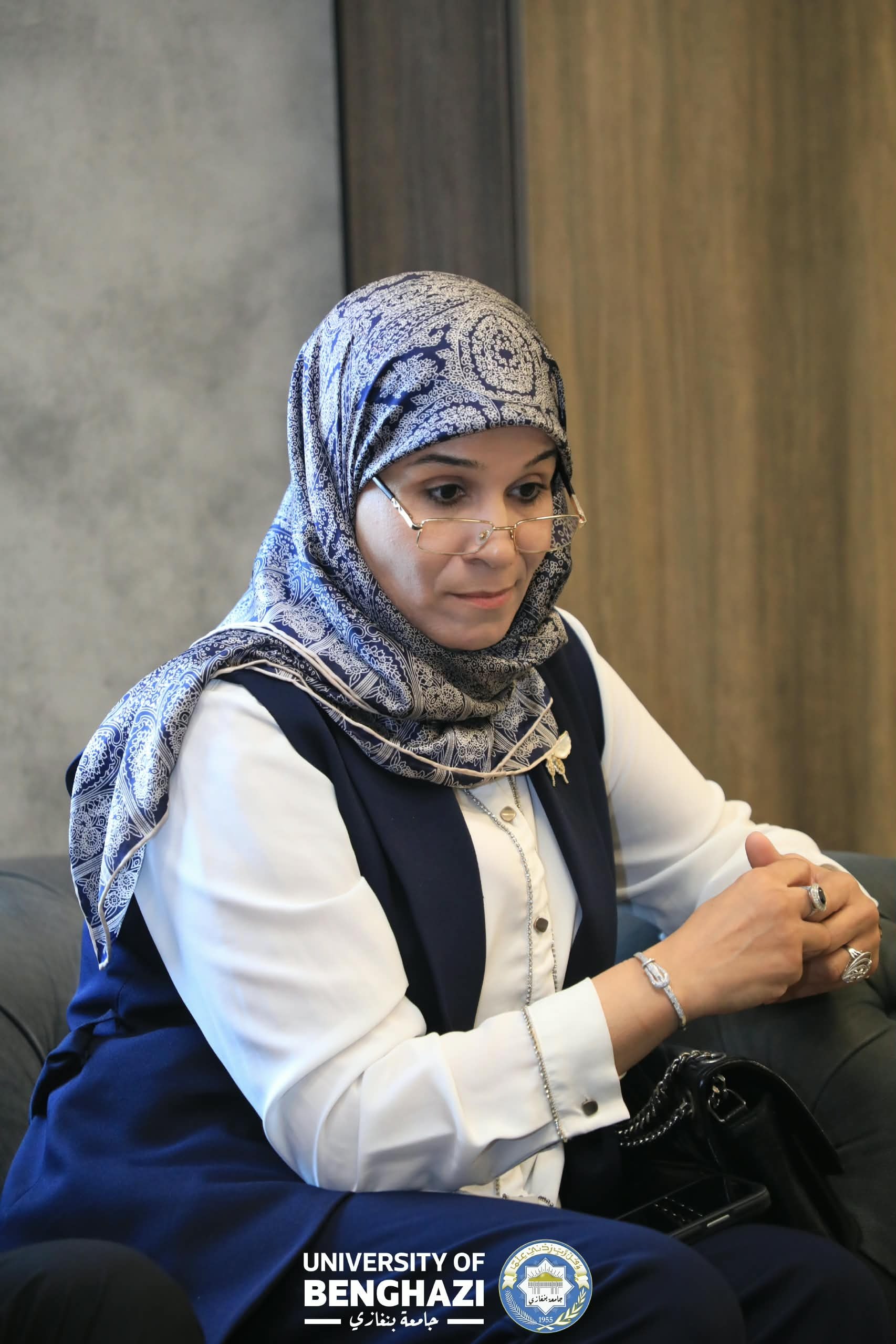
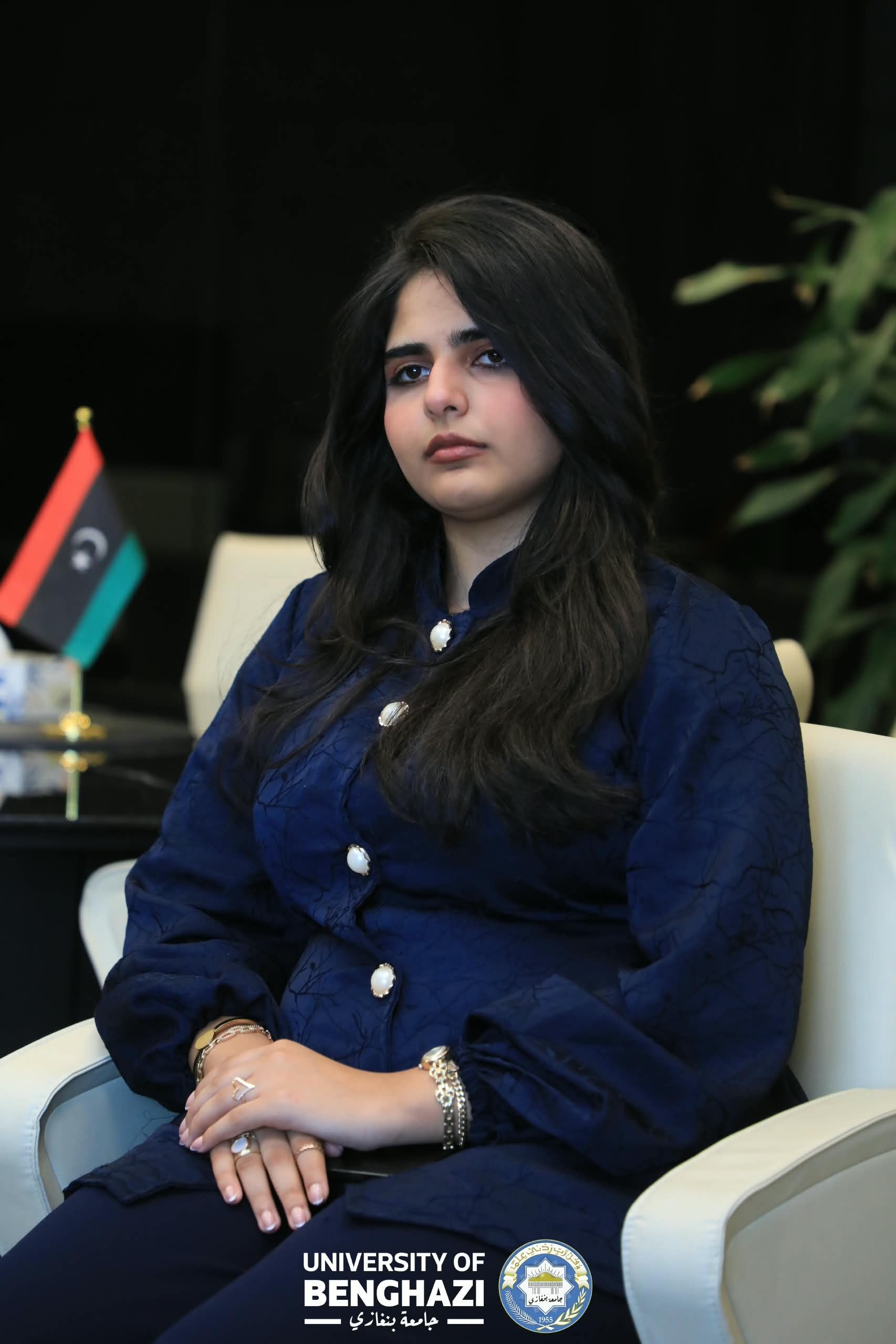
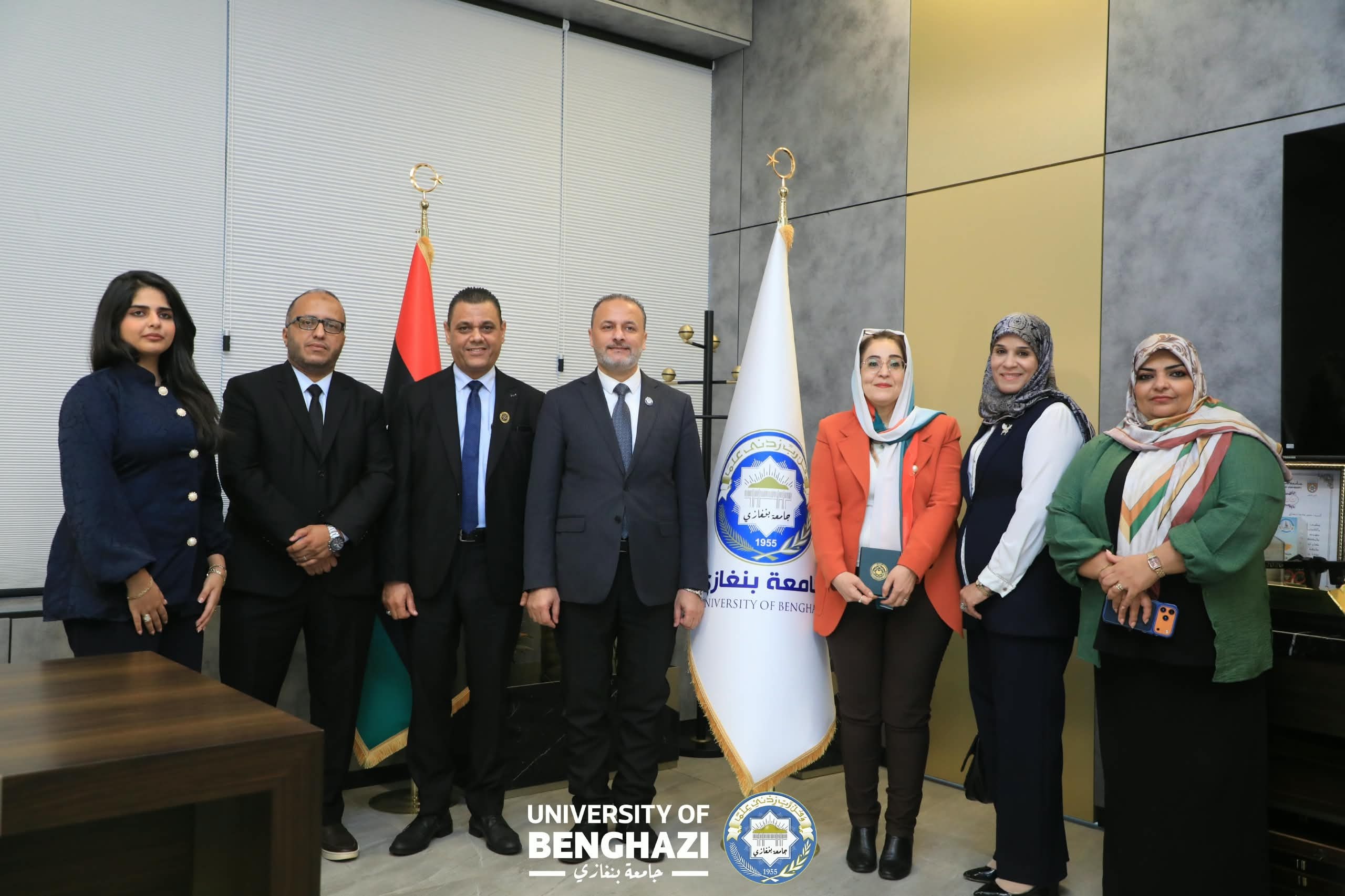
The signing ceremony was attended by the president of the University of Benghazi, Professor Eiz Eldeen Aldressi, and Dr Awad Bilal, representing the university’s International Cooperation Office. The Institute was represented by its vice president, Dr Ilham Latifi, alongside its members in Libya, Dr Fawzia Murad, Dr Youssef Emhamed Saleh, and Dr Najia Al-Jilani.
Professor Eiz Eldeen Aldressi highlighted the importance of building effective scientific and intellectual partnerships with Arab and international institutions. He noted that such cooperation can advance scientific research, expand knowledge production, and create new opportunities for researchers and academics to participate in joint scientific initiatives and projects, while also addressing intellectual renewal and future developments.
Joint Research, Academic Dialogue and Knowledge Exchange
Dr Ilham Latifi delivered remarks on behalf of the institute’s president, Dr Khudair Al-Morshedi, describing the agreement as an important step towards closer cooperation between Arab academic and intellectual institutions. She highlighted opportunities for knowledge exchange, shared expertise, and joint scientific and cultural initiatives, while conveying the Institute President’s greetings and appreciation to the university leadership, council members, and faculty.
She also noted that the Institute, founded in Madrid in 2019 and comprising more than 1,500 academics and researchers from across the Arab world, looks forward to developing joint research programmes with the University, organising conferences and academic dialogues, and facilitating the exchange of expertise. Shared interests include intellectual renewal, digital transformation, development, identity, and civilisational security.
Joint Committee to Implement the Cooperation Agreement
The two institutions also agreed to establish a joint committee to oversee the implementation of the agreement and develop practical mechanisms for translating its provisions into joint programmes, research projects, and academic activities, supporting sustained cooperation and the achievement of their shared academic and intellectual objectives.