University of Benghazi Joins Libya Geoparks Field Trip
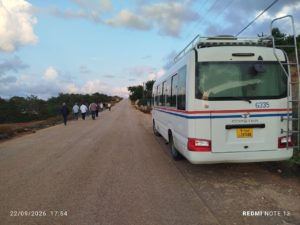
Faculty members from the Department of Earth Sciences at the University of Benghazi participated in a geological field trip accompanying the Second Scientific Workshop on Geoparks in Libya, held on 22 and 23 September 2026. The field programme explored major geological and natural heritage sites across the Jabal Al Akhdar region and Derna, supporting scientific efforts to document and develop geoparks in Libya.
University of Benghazi Participation in the Libya Geoparks Workshop
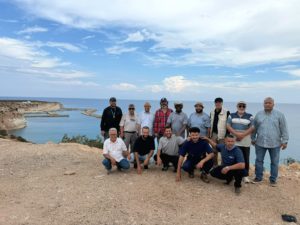
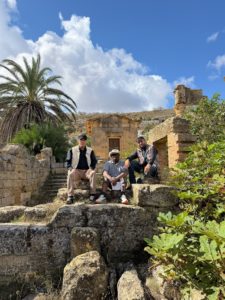
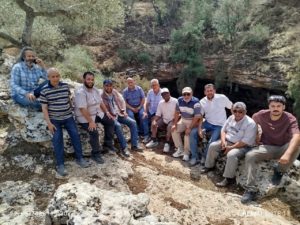
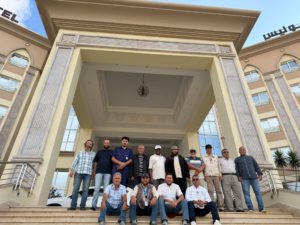
The University was represented by Professor Ahmed Al-Kawafi, Dr Miftah Al-Shuwaihdi, and Dr Awad Bilal. The field trip brought together the National Geoparks Committee, headed by Dr Nouri Fallou, as well as academics, researchers, specialists, and representatives of several universities, scientific and research institutions, and oil companies affiliated with the National Oil Corporation.
Exploring Geological Sites Across Jabal Al Akhdar
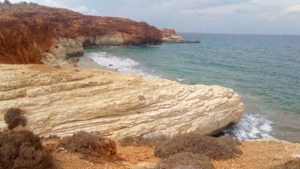
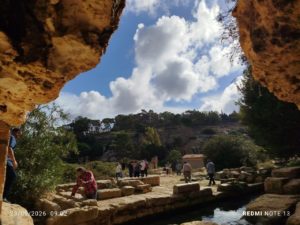
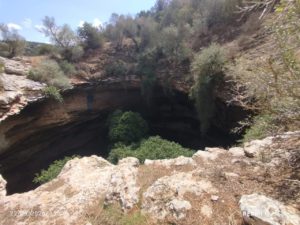
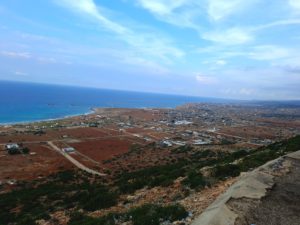
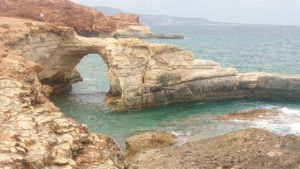
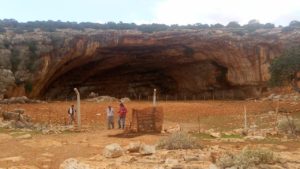
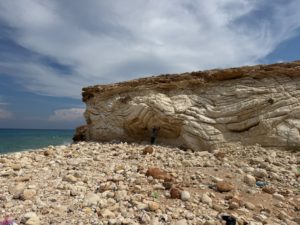
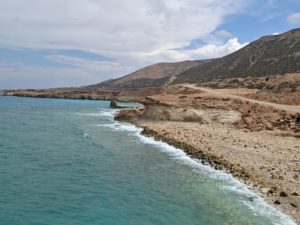
The trip focused on exploring and documenting geological, natural, tourist, and historical sites across the Jabal Al Akhdar region, extending to the city of Derna. It began in the Deriana area and continued through several sites of geological significance, including caves and distinctive geological features such as Hawa Boudhan, Hafrat Al-Maa, and the Wadi Al-Kouf caves, as well as formations and geological features in Athrun, Ras Al-Hilal, and Sousa.
Geological, Archaeological and Cultural Heritage
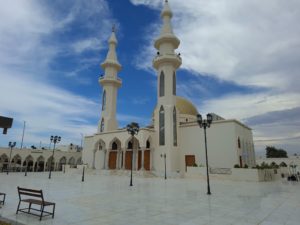
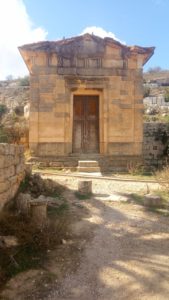
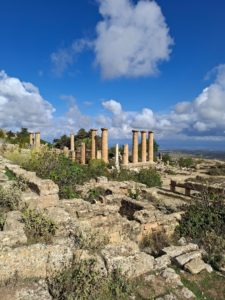
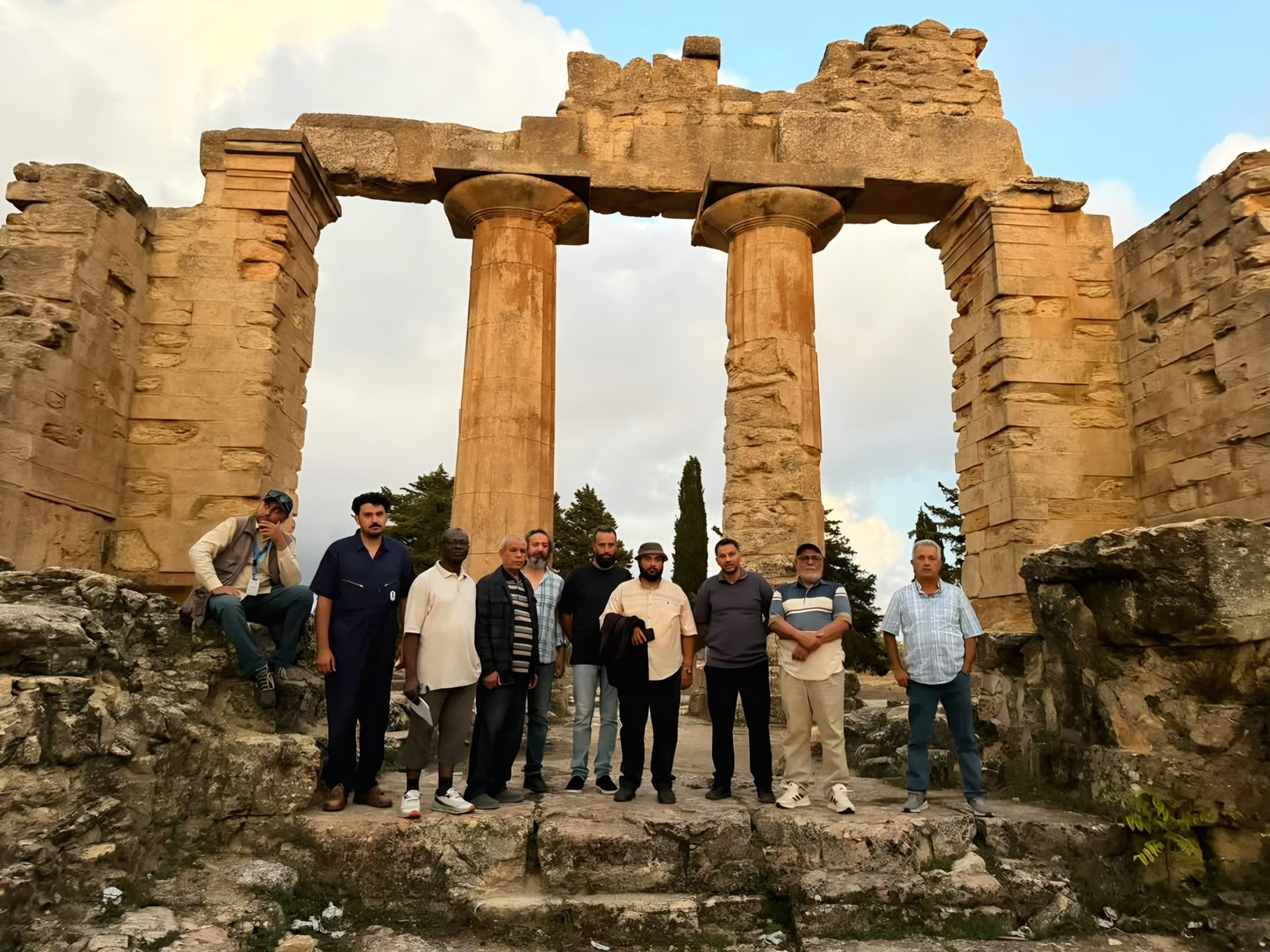
The programme also included visits to several tourist and historical locations, most notably the ancient city of Cyrene, recognised for its significant historical and cultural value. Participants also visited the Hawa Fteeh Cave, one of North Africa’s important scientific and archaeological sites due to the historical evidence it contains, in addition to its tourism value. The field trip concluded with a visit to Derna.
Supporting the Development of Geoparks in Libya
Combining geology, geomorphology, and natural and cultural heritage, the trip highlighted the importance of fieldwork in studying and documenting Libya’s geological sites and raising awareness of their scientific, educational, and tourism value. Such activities contribute to ongoing efforts to establish and develop geoparks in Libya.
Participants thanked the institutions that supported the field trip, particularly the Sirte Oil Company for Production and Manufacturing of Oil and Gas and the Man-Made River Project Implementation and Management Authority, along with the other organisations that contributed to the success of the event.